
Best Things to Do in Trier: Germany’s Oldest City
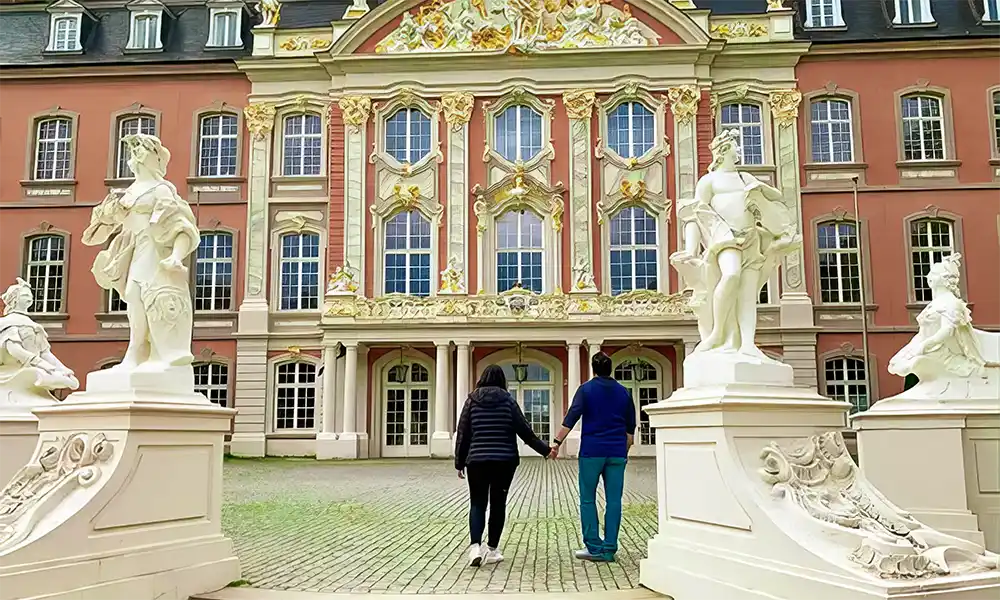
A Day Trip to Trier — Germany’s Oldest City
While visiting Luxembourg with friends, we decided to take a one-day trip to Trier, the oldest city in Germany, and dive into its rich history and must-see attractions. Founded in 16 BC by the Romans, Trier offers a captivating blend of ancient architecture, charming streets, and fascinating stories that transport you back in time. Known for its Roman heritage, Trier boasts the Porta Nigra, the Roman Baths, and Karl Marx’s birthplace, all of which make it a perfect starting point for your German adventure. In this guide, we’ll take you through the best things to do in Trier, highlighting its historical significance and what makes it a must-visit city when exploring Germany.
Short on time?
How to Get to Trier
Trier, a historic city in western Germany near the Luxembourg border, is easy to reach for day trips or short visits. With strong Roman heritage and good transport links, you can arrive by car, train, or via flights to nearby cities.
From Luxembourg: During our stay in Luxembourg, we took a day trip to Trier, Germany’s oldest city. It’s about 50 km (31 miles) and roughly a 45–60 minute trip. Driving is smooth through scenic countryside. A direct train from Luxembourg City to Trier takes about ~50–60 minutes.
From Munich: Trier is about 450–480 km (280–300 miles). Driving typically takes ~4.5–5 hours. You can also fly to Frankfurt (about ~1h–1h10m), then take a train or drive to Trier in another ~2–3 hours.
From Berlin: Trier is about ~600 km (373 miles). Driving is ~6 hours depending on traffic. Trains usually run via Frankfurt or Cologne; plan on roughly ~6.5–8 hours with connections.
Public transport & parking: Trier has frequent trains from hubs like Frankfurt, Cologne, and Luxembourg. If you drive, there’s ample parking around the center, and the old town is very walkable once you arrive.
No matter how you travel, Trier is well worth the journey!
Where to Stay in Trier
A one-day trip to Trier is definitely not enough to fully experience this historic city! With its Roman heritage, stunning architecture, and vibrant atmosphere, there’s so much to see and do. If you’re planning to extend your stay in Trier, here are a few great hotel options.
Hotel Villa Hügel: This charming villa-style hotel offers breathtaking panoramic views of Trier, complemented by a sky pool for ultimate relaxation. Located near key attractions, it combines modern amenities with a prime location, making it the ideal choice for a stylish and comfortable stay.
Romantik Hotel Zur Glocke: A charming blend of history and modern comfort. Located in a centuries-old building, it offers a cozy atmosphere with easy access to Trier’s main attractions, including the Trier Cathedral, Porta Nigra, and the Roman Baths. Just a short walk away, you’ll also find the Main Market Square and Karl Marx House, making it the perfect place to stay while exploring the city’s rich history.
Hotel Blesius Garten: Located in a peaceful area just outside Trier’s city center, it offers a relaxing stay close to several historical attractions. The Trier Roman Amphitheater is just a 5-minute drive away, and the Basilica of Constantine, Trier Cathedral, and Karl Marx House are also nearby. Its tranquil setting makes it a convenient base for exploring the city’s rich history.
Why Trier Is a Must-See in Germany
- Rich Roman Heritage: Explore ancient landmarks like Porta Nigra, the Roman Baths, and the Amphitheater that reveal Trier’s powerful past.
- Walkable City Center: Most attractions are within walking distance, making it easy to explore without a car.
- Perfect Day Trip: Just 45–60 minutes from Luxembourg, Trier is ideal for a short getaway packed with history and charm.
- Wine & Local Cuisine: Enjoy delicious Moselle wines and traditional German dishes in cozy local restaurants.
- Beautiful River Views: Take a stroll along the Moselle River for a peaceful break between sightseeing spots.
- All-Season Destination: From blooming spring gardens to festive Christmas markets, Trier is worth visiting year-round.
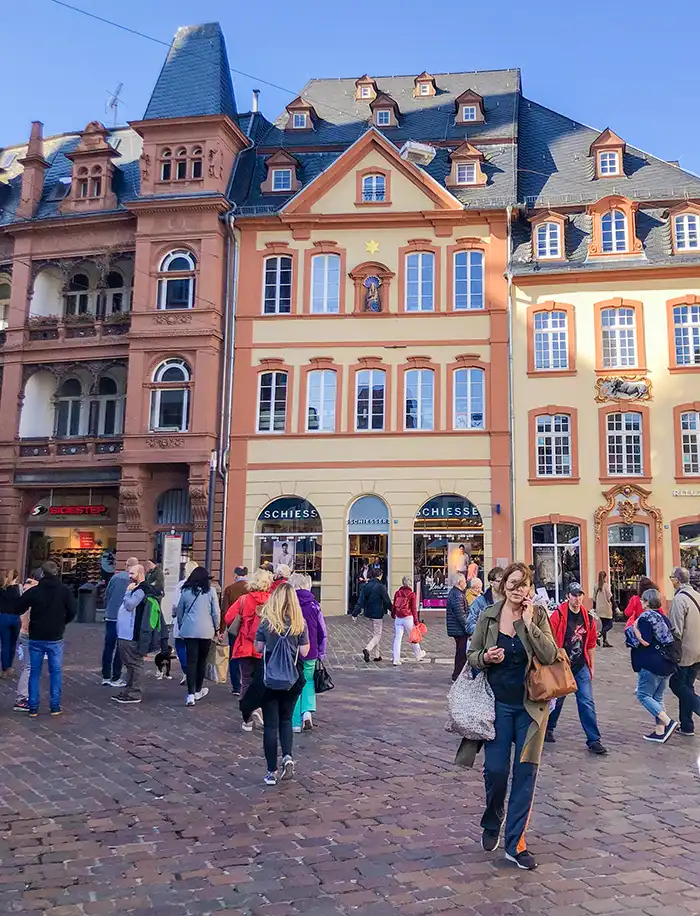
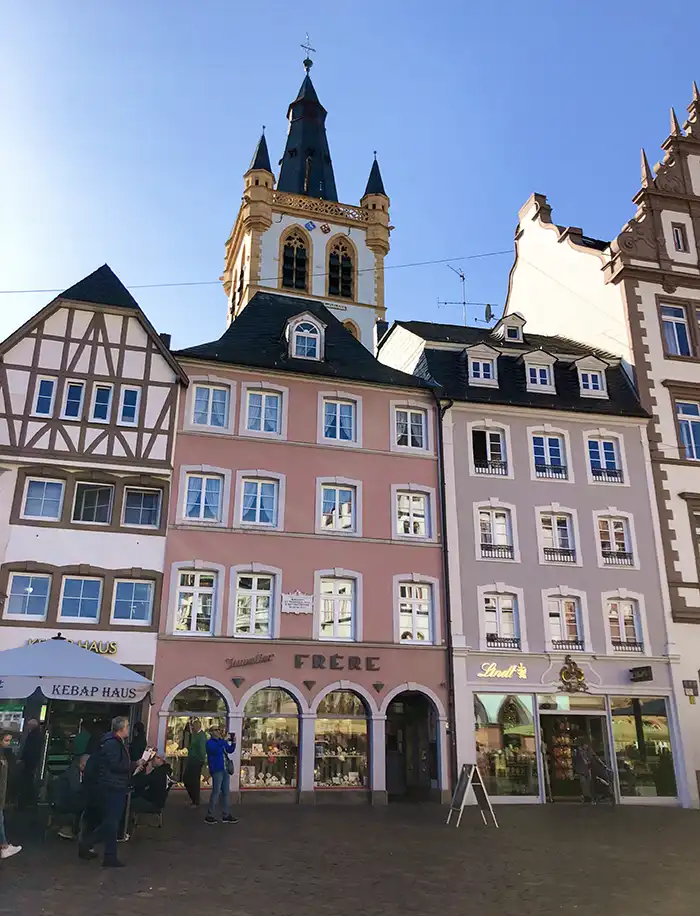
Main Market Square – The Heart of Trier
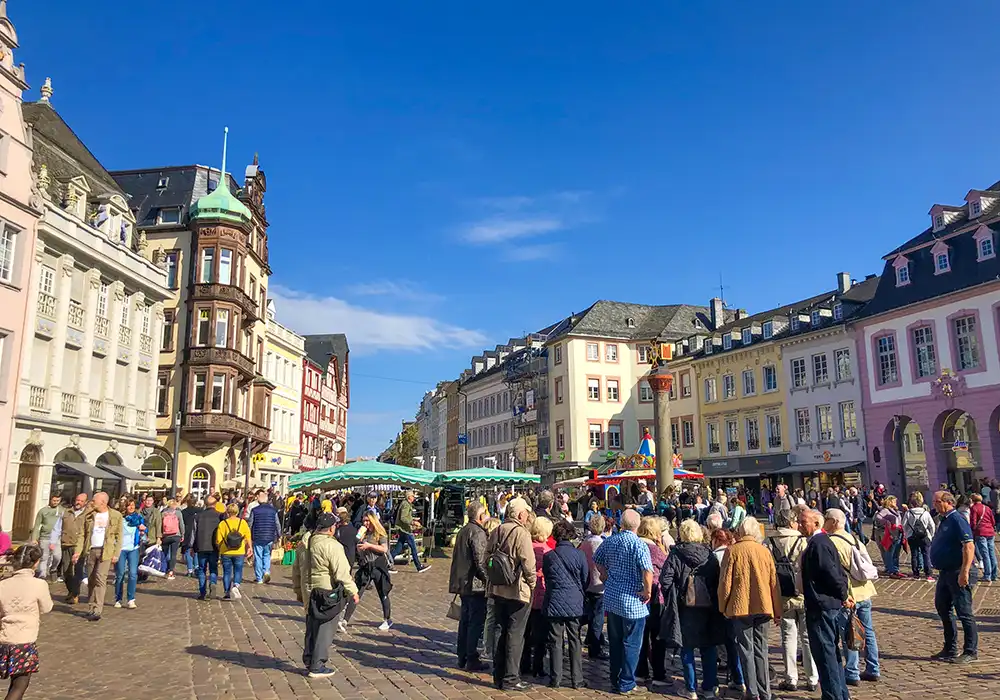
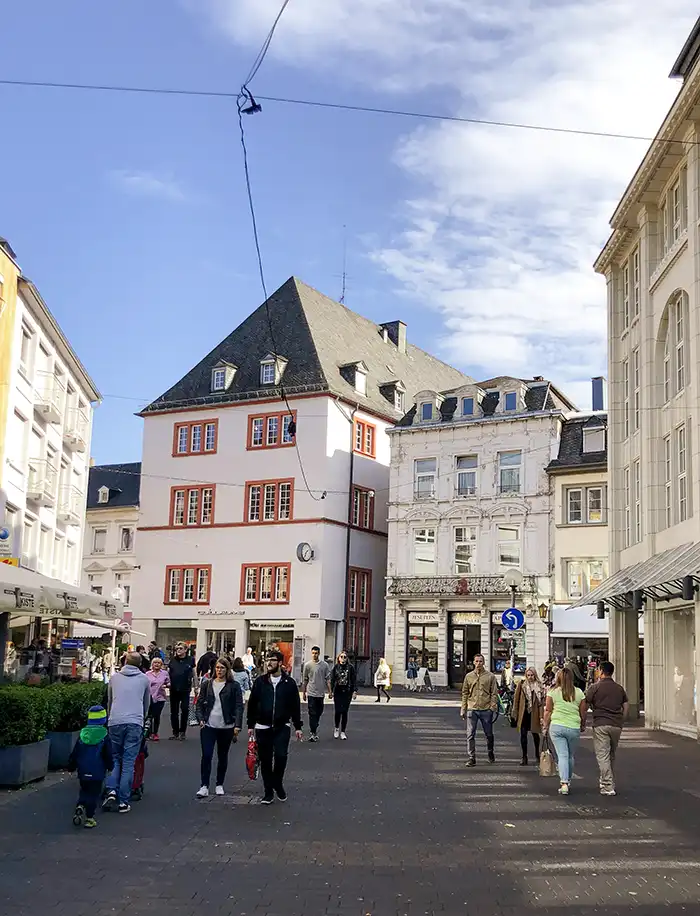
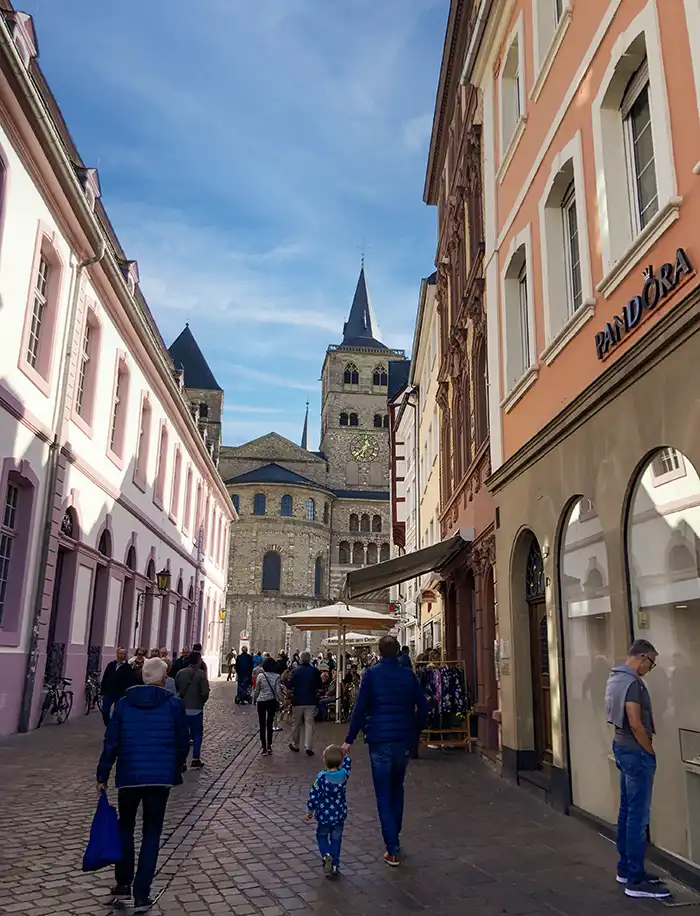
When you visit Trier, Germany’s oldest city, the Main Market Square (Hauptmarkt) should be at the top of your list. This lively square is the perfect place to start your adventure, surrounded by vibrant market stalls, charming cafés, and colorful historic buildings.
Families will love the cheerful atmosphere with a carousel and street performers entertaining kids, while adults can relax with a fresh coffee and watch daily life unfold. Don’t miss the beautiful St. Gangolf Church, located right beside the square, and enjoy seasonal events held here throughout the year.
It’s truly the heart of Trier — a place where history, culture, and local life come together.
Porta Nigra – Trier’s Most Iconic Landmark
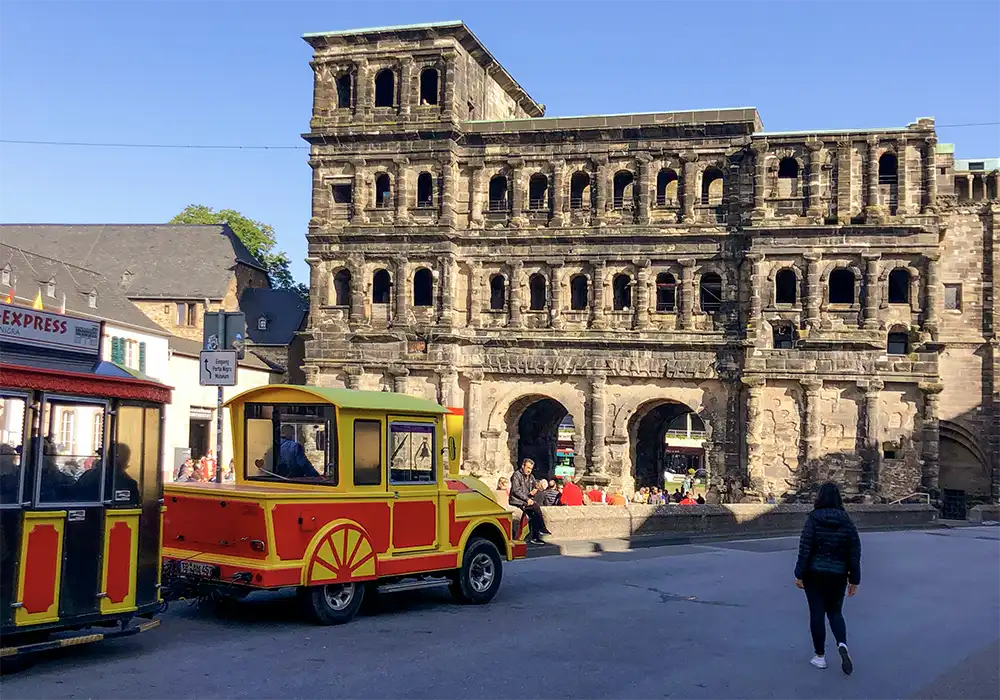
Porta Nigra is one of the most famous landmarks in Trier, Germany, and a remarkable UNESCO World Heritage Site. Built around 170 AD, this ancient Roman gate, known as the “Black Gate,” earned its name from the dark sandstone that has weathered naturally over time. It’s a must-see for travelers and history lovers alike.
Inside Porta Nigra, you’ll uncover layers of history shaped by both Roman and medieval times. The structure once served as a Roman city gate before being transformed into a church centuries later. Today, it remains the best-preserved Roman gate north of the Alps, offering visitors a powerful connection to the past.
Beyond its historical value, Porta Nigra is also a great place for photos. Its impressive architecture and timeless atmosphere make it one of Trier’s most photogenic and unforgettable sites.
Discover & Book Things to Do
Discover the Karl Marx Museum
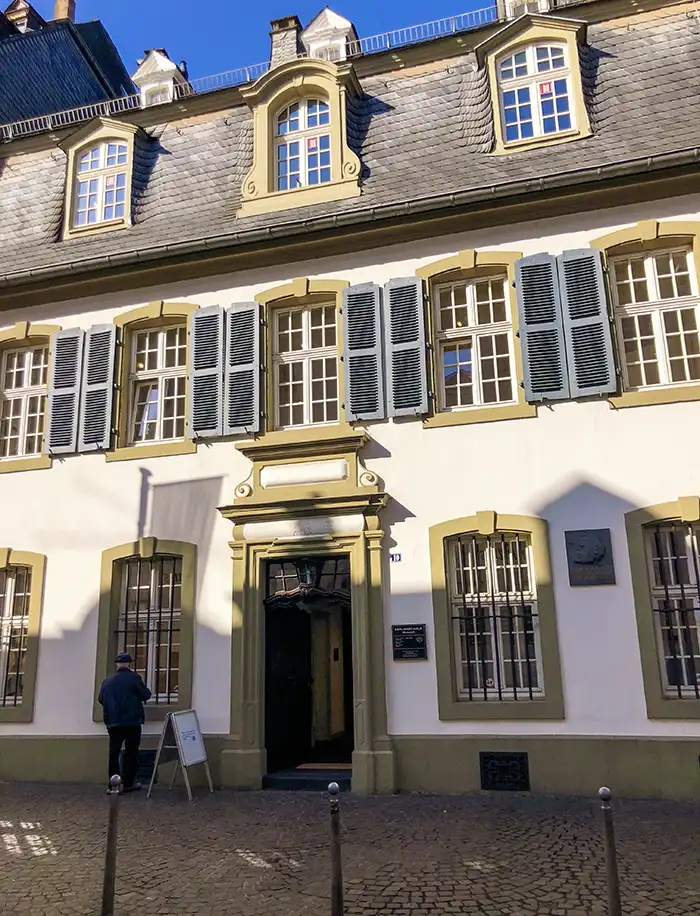
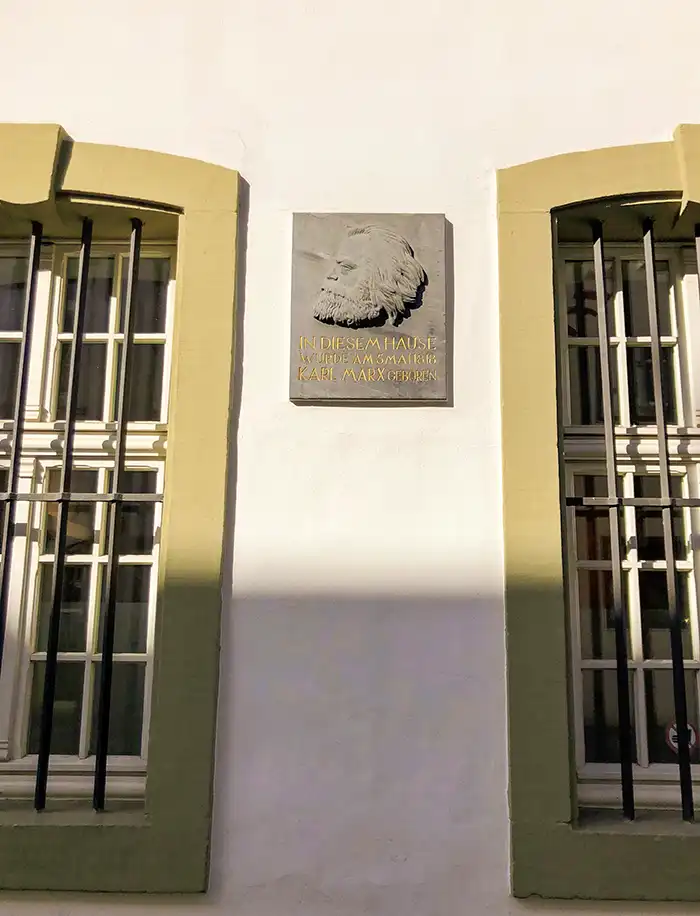
The Karl Marx Museum, located in Trier, Germany, honors the life and work of one of the world’s most influential philosophers and economists. As the birthplace of Karl Marx, the museum gives visitors a closer look at his groundbreaking ideas that shaped modern socialism and communism.
Visiting this museum brought back memories of my school days in Europe, where Marx’s teachings were part of my studies—and even a portrait of him hung beside my desk.
Inside, you’ll find engaging exhibits that highlight key moments in Marx’s life, including his iconic red reading chair, one of the museum’s most distinctive displays.
The entrance fee is about USD 5, and tickets can be purchased either in person or online.
Trier Cathedral – Germany’s Oldest Cathedral
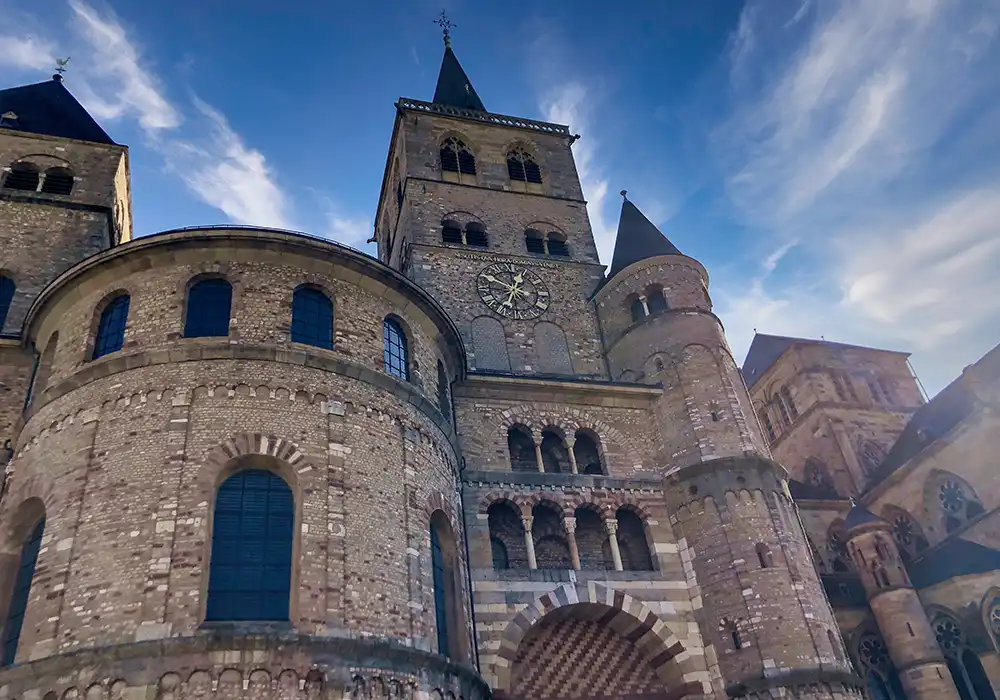
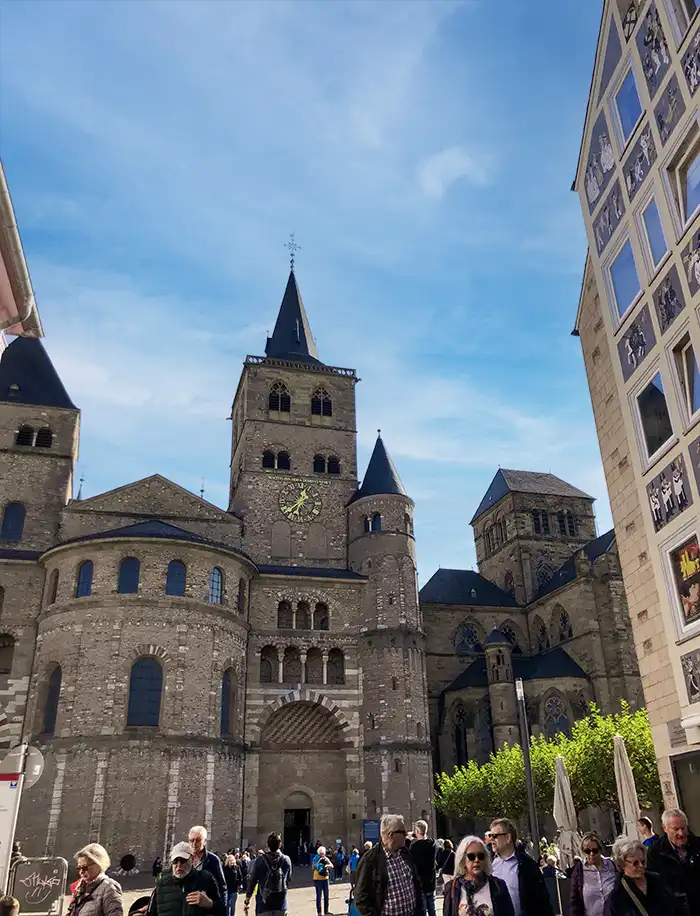
When we visited Trier, we were thrilled to explore its nine UNESCO World Heritage Sites. One of the most remarkable places we discovered was the Trier Cathedral (St. Peter’s Cathedral), also known as the Trier Dom. Dating back to the 4th century AD, it’s recognized as Germany’s oldest cathedral.
The cathedral’s architecture is stunning, blending several styles over the centuries. Inside, you’ll find peaceful chapels, colorful stained-glass windows, and detailed stone carvings. The highlight is the Holy Robe, believed to be the tunic of Jesus Christ, which adds deep spiritual significance to this sacred site.
If visiting UNESCO World Heritage Sites is part of your travel goals, the Trier Cathedral is a must-see. Admission is free, though certain concerts or special events may require a ticket.
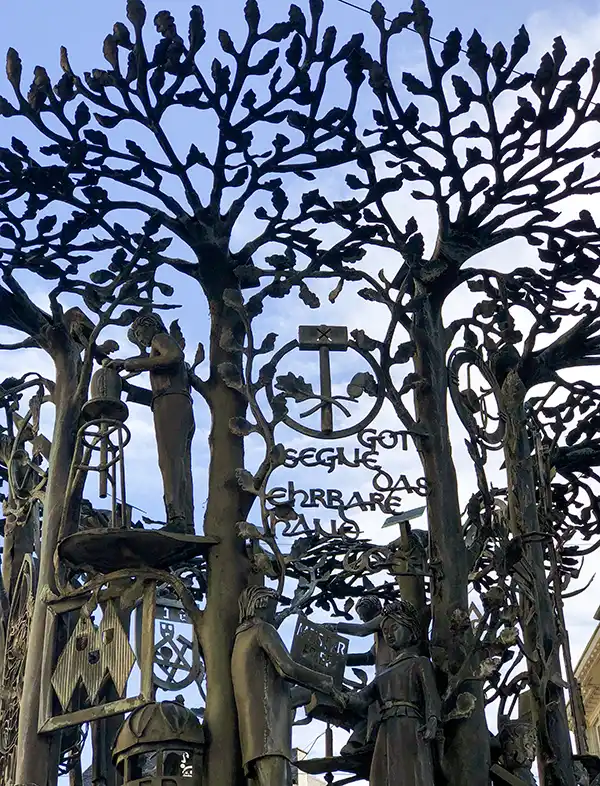
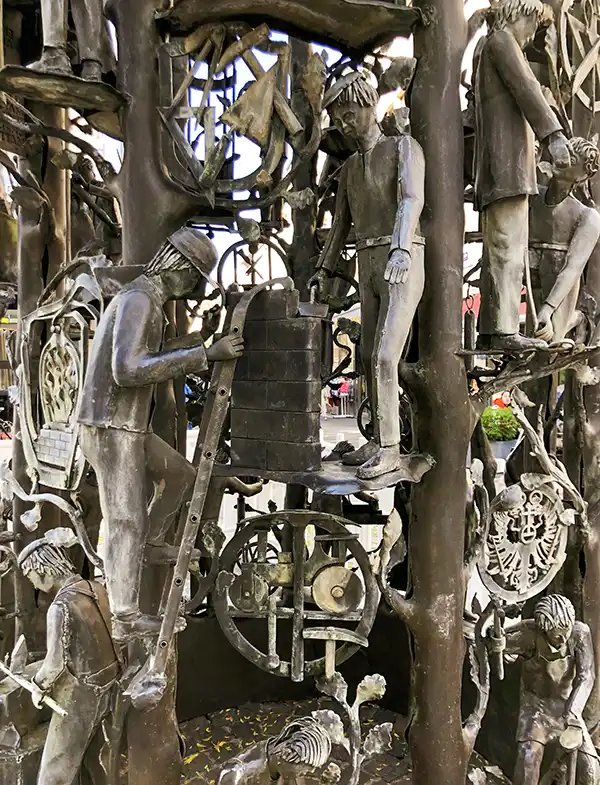
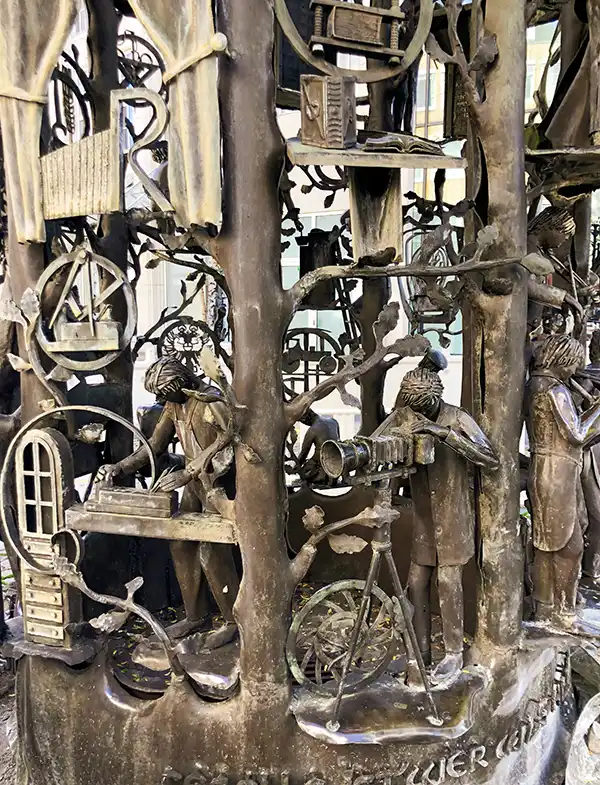
God Loves All the Working People Statue (Gott liebt alle arbeitenden Menschen) in Trier, Germany
While exploring the heart of Trier, we discovered a captivating statue that immediately caught our attention. The sign on it, written in German, read “Gott liebt alle arbeitenden Menschen”—which means “God loves all working people.” This beautifully designed monument features detailed figures representing different professions, each deeply focused on their work.
Located in Trier’s city center, the statue stands as a tribute to hardworking individuals and showcases impressive artistic craftsmanship. During our visit, many people stopped to admire the artistry and the thoughtful depiction of various trades. The detail in each figure is truly worth seeing.
For a deeper reflection on its meaning, Daniel shared his personal thoughts on our Inspirational Page. Be sure to check it out for more insight into this meaningful experience in Trier.
Exploring Trier’s Electoral Palace: History, Beauty, and Must-See Gardens
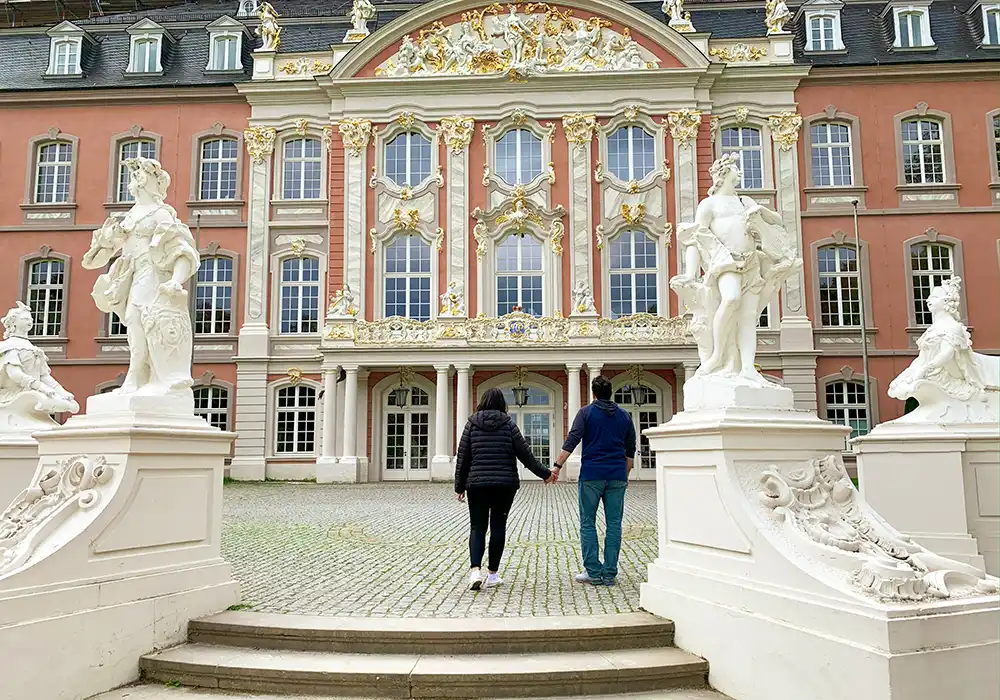
The Electoral Palace (Kurfürstliches Palais) in Trier, Germany, is one of the city’s most beautiful architectural landmarks. Its pink-and-white façade creates a picture-perfect backdrop, ideal for capturing memorable photos.
Inside, the palace impresses with ornate ceilings, grand halls, and elegant details that reflect its historic charm. Visitors can step inside and admire the timeless beauty of this baroque masterpiece.
The palace also holds deep historical significance, as it was built on the site of the ancient Roman Imperial Baths, adding another layer of history to explore.
Visiting the Electoral Palace reminded us of our time at Pena Palace in Portugal. Though different in style and history, both share the same enchanting allure. Pena Palace shines with colorful, whimsical architecture, while the Electoral Palace exudes classical baroque elegance surrounded by lush gardens.
If you’re in Trier and want to experience a mix of history, beauty, and photo-worthy spots, the Electoral Palace is a must-see destination.
- Trier is Germany’s oldest city, founded by the Romans in 16 BC.
- It’s home to nine UNESCO World Heritage Sites, including Porta Nigra and Trier Cathedral.
- Karl Marx, the famous philosopher and economist, was born here in 1818.
- The city lies along the beautiful Moselle River, surrounded by vineyards and rolling hills.
Enchanting Gardens of Trier’s Electoral Palace – Kurfürstliches Palais
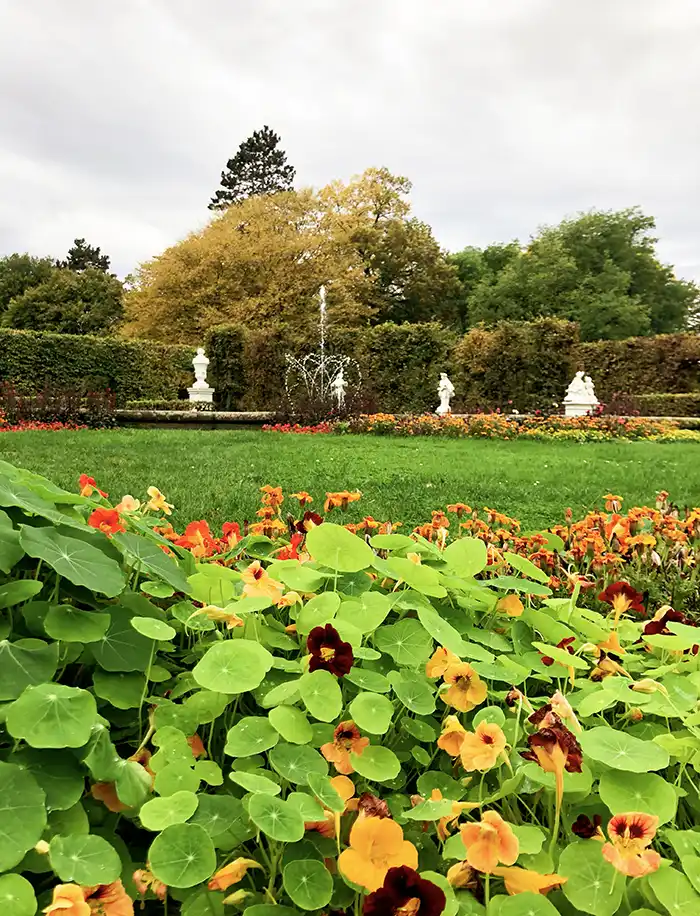
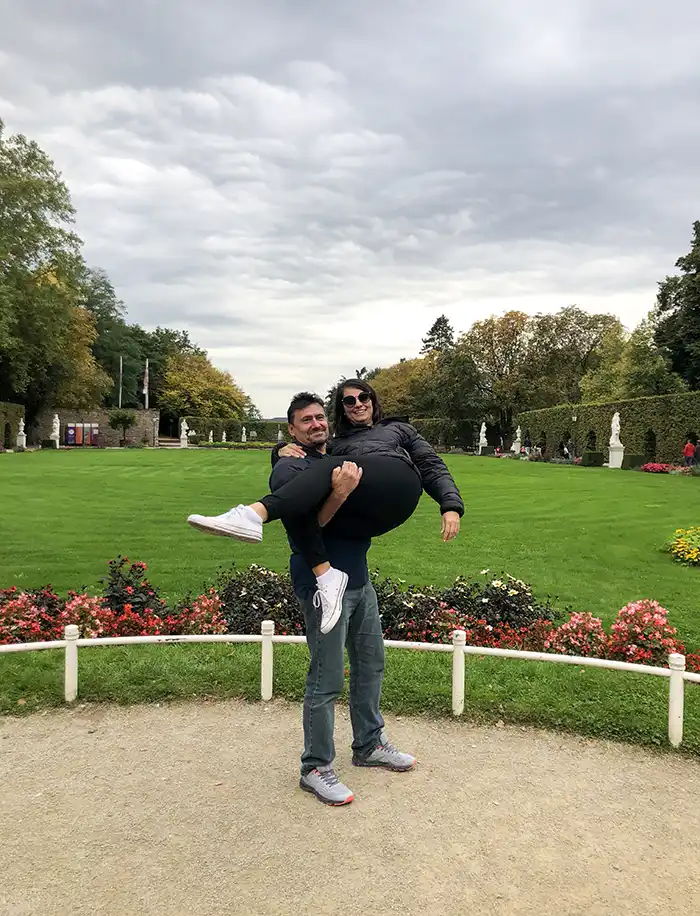
The gardens surrounding the Electoral Palace in Trier are especially magical in autumn. When we visited in October, the falling leaves added a warm, enchanting touch to the already beautiful scenery. These gardens are loved by both locals and visitors, offering a peaceful place to relax, sit on benches, and enjoy a leisurely walk.
All around, you’ll find statues depicting historical and mythical figures that add grandeur and charm to the landscape. Elegant fountains enhance the calm atmosphere, attracting birds whose cheerful songs create a soothing, natural soundtrack.
The perfect blend of art, nature, and history makes the Electoral Palace Gardens a serene retreat and a must-see for anyone visiting Trier.
Trier Amphitheater – A Glimpse into Ancient Roman History
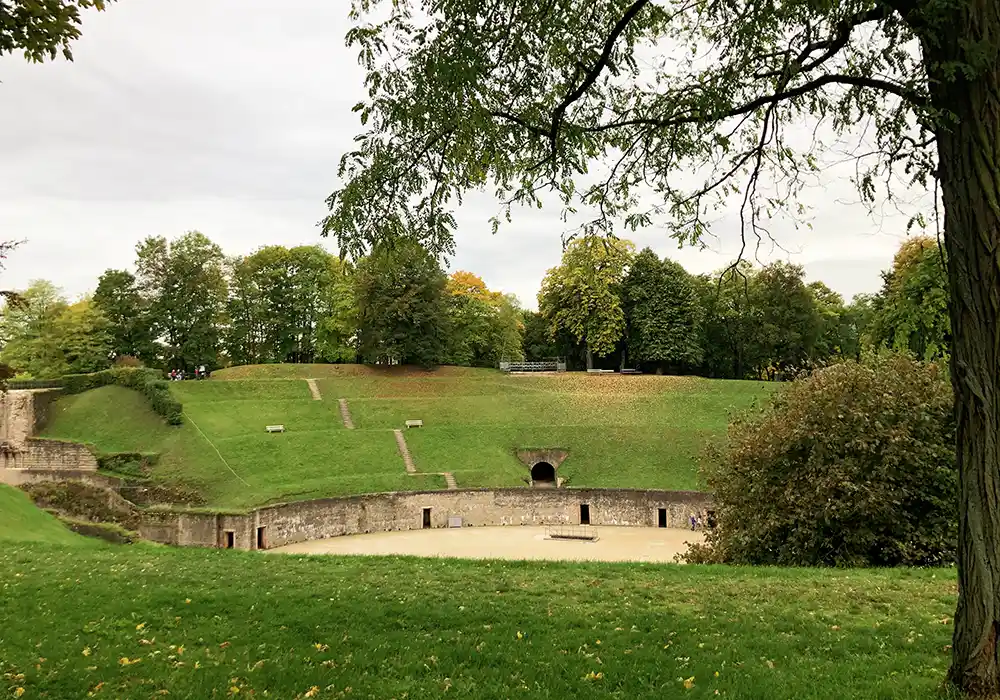
The Trier Amphitheater in Germany is a fascinating ancient Roman site built between 100–200 AD. As part of Trier’s UNESCO World Heritage-listed Roman monuments, it offers a unique window into the city’s ancient past. We were thrilled to check another UNESCO site off our list!
One of the highlights is the live performances that recreate historical events, bringing history vividly to life. You can also join guided tours throughout the day to learn more about the amphitheater’s captivating stories and well-preserved structure.
To make the most of your visit, plan to arrive before 4 PM, as the site closes at 5 PM. Keep in mind that hours vary by season, so it’s best to check the official website in advance.
The entrance fee is about USD 4.20, making it an affordable and unforgettable experience for history lovers visiting Trier.
Kastilport Castle Tower – Step Back into Trier’s Medieval History
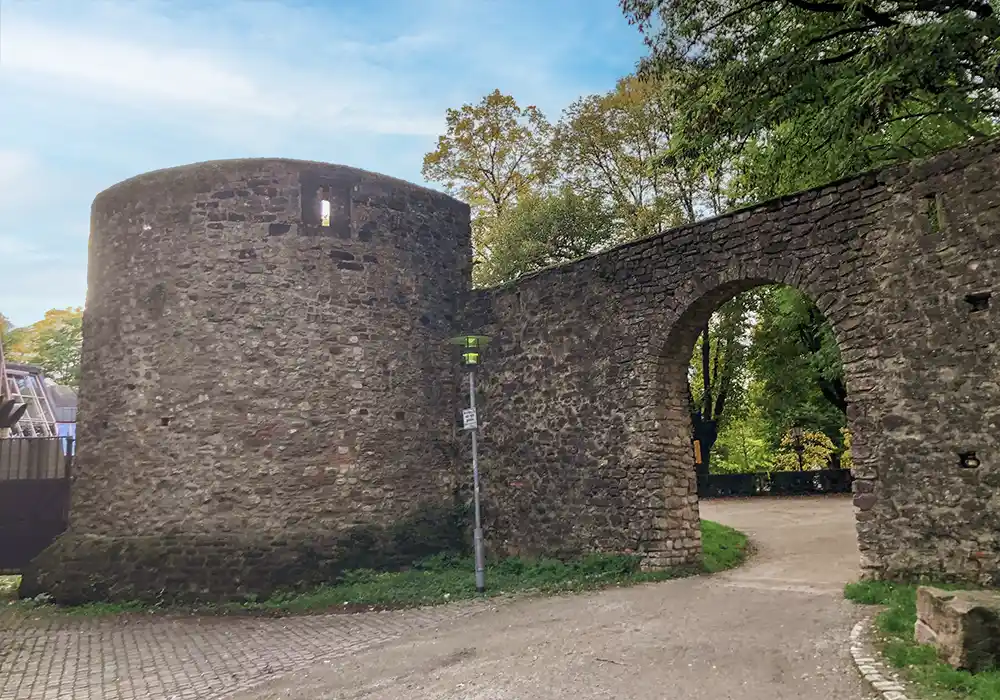
The Kastilport Castle Tower in Trier, Germany, is a fascinating historical landmark that reveals the city’s rich medieval past. Once part of the Kastilport Gate, one of Trier’s significant entrances, the tower stands as a reminder of the city’s ancient fortifications and impressive architecture.
Located near the Kurfürstliches Palace Gardens, it’s easy to visit both attractions in one trip. The tower’s strategic position provides a unique view of Trier, blending medieval charm with the city’s scenic landscape. It’s a perfect stop for history lovers, architecture enthusiasts, and photographers alike.
Don’t miss the National Palace of Sintra. It is famous for its twin chimneys and long history. Hidden viewpoints nearby give you stunning views of the Sintra Mountains.
Street Performers of Trier – Art, Music, and a Touch of Mystery
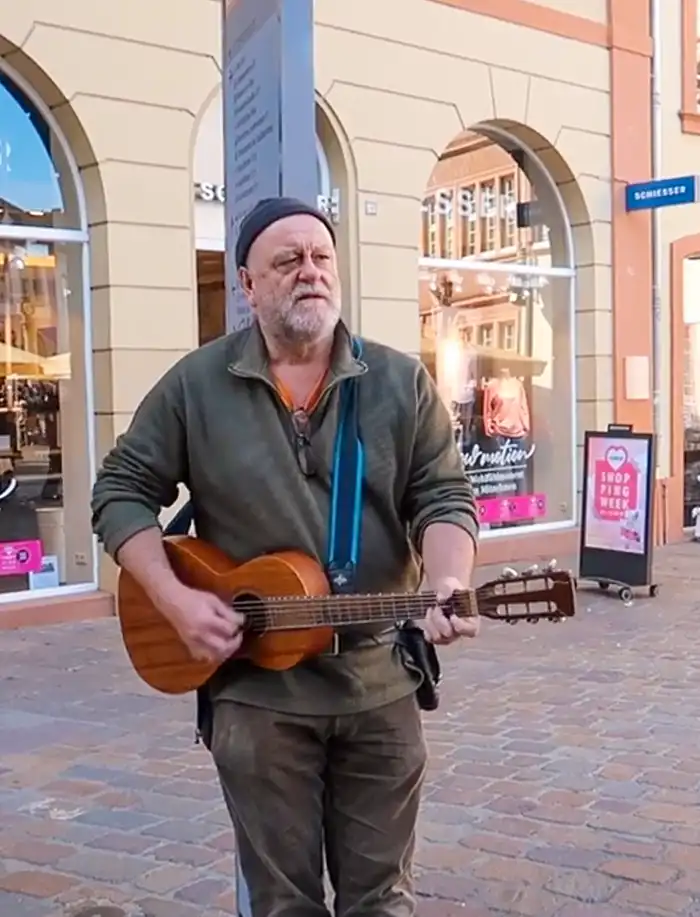
While strolling through the charming streets of Trier, we were delighted by the many street performances that brought color and creativity to the city. We love watching talented artists wherever we travel and have seen amazing performers in places like Canada, Taiwan, Singapore, and beyond.
One of our favorite memories was meeting a local artist in Trier who could craft nearly anything from wire. We asked him to make a sunflower, and his skill was truly impressive. Artists like him remind us how creativity connects people all over the world.
Some of our readers have suggested that this artist might be Michael Stipe, the lead singer of R.E.M. — but we’re not so sure! What do you think? Share your thoughts in the comments below.
Our Travel Vlog From This Trip

Tasting Local Flavors in Trier
When in Trier, don’t miss the chance to enjoy authentic German cuisine. It quickly became one of our favorites, combining rich flavors with artistic presentation. Every dish we tried was made with care and precision — proof that German chefs truly know their craft.


We also visited Munich, where the food was equally outstanding. One must-try dessert in Germany is apple strudel, a classic delight that shouldn’t be missed!
For more delicious food adventures from around the world, visit Wondrous Eats!

Write a comment